Exploring Colonialism, the Slave Trade, and Human Rights Through Film
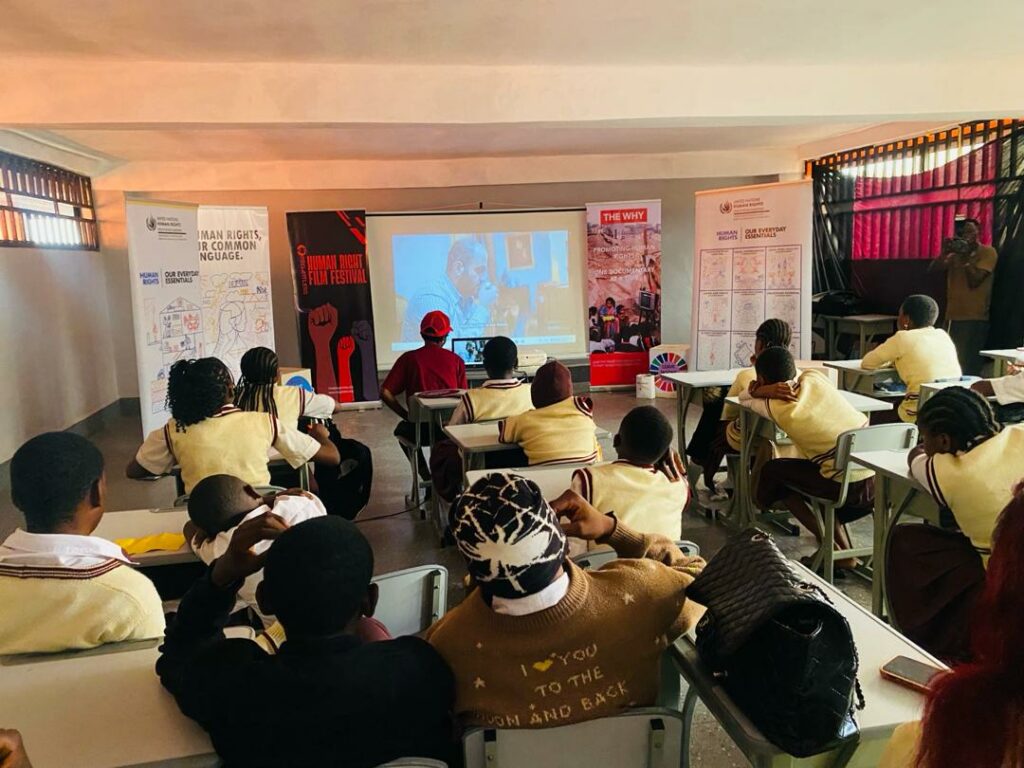
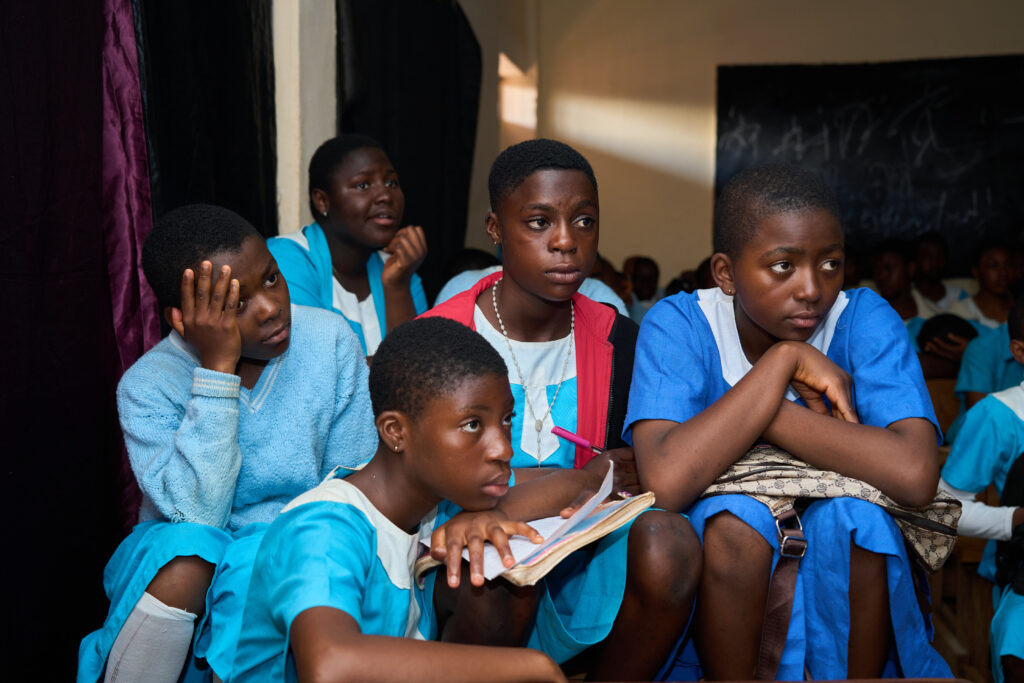
The 2026 REGARTLESS Human Rights Film Festival successfully brought together students and educators under the thought-provoking theme “The Unmorphing of Memory.” Through a carefully curated programme of films and discussions, the festival explored the enduring legacies of colonialism and the transatlantic slave trade while examining their relevance to contemporary human rights issues.
At a time when societies across the world are increasingly reflecting on historical injustices, the festival provided an important platform for learning, dialogue, and critical engagement. The theme challenged participants to revisit histories that have often been overlooked, distorted, or insufficiently addressed, encouraging deeper reflection on how the past continues to shape present realities.
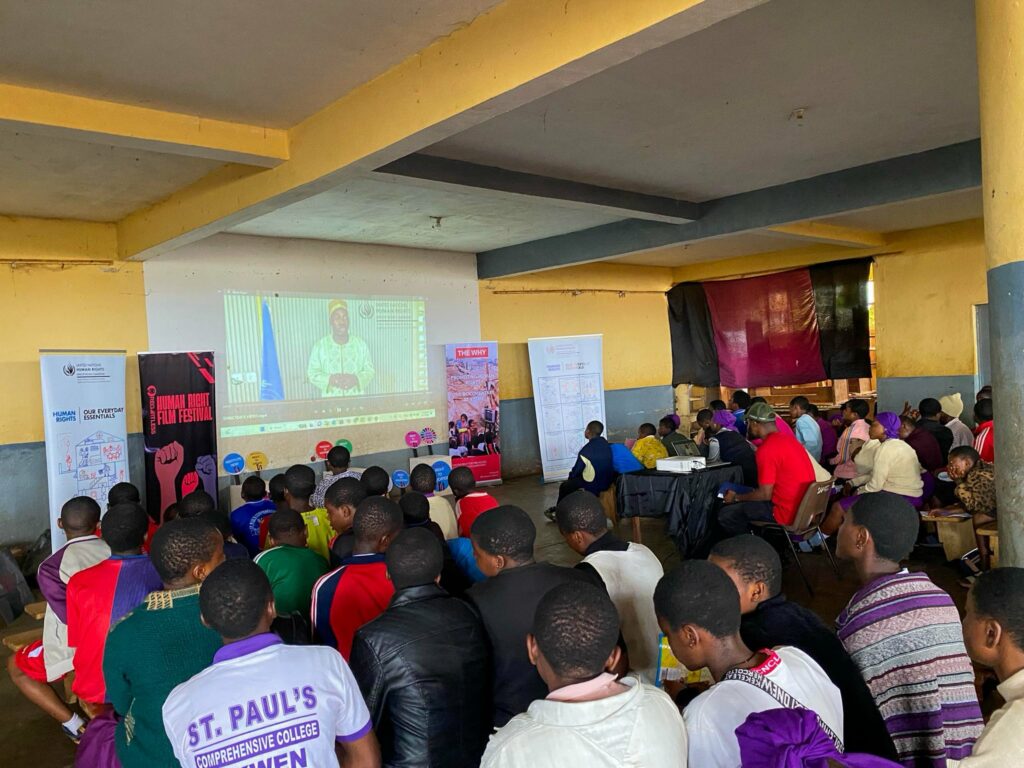
A highlight of the festival was the opening remarks delivered by Nouhoum Sangare, Regional Director for the Central and West Africa Office of the United Nations High Commissioner for Human Rights, who emphasized the role of young people in advancing human rights.
Films screened were generously donated by the WHY Foundation and Open Restitution. These powerful productions offered diverse perspectives on slavery, colonial domination, cultural heritage, identity, and the ongoing pursuit of justice and restitution. Through compelling storytelling, participants gained valuable insights into historical experiences and contemporary efforts to address their lasting consequences.
Students and young people were at the heart of the festival experience. Importantly, the festival created a rare space for young voices—often underrepresented in conversations about history, memory, restitution, and human rights—to be heard. This intergenerational dialogue ensured that young people were recognized as active stakeholders in shaping how societies remember the past and respond to its ongoing impacts.
The discussions revealed a strong interest among participants in understanding how the legacies of colonialism and slavery continue to influence issues such as inequality, cultural identity, representation, heritage ownership, and social justice. Many students highlighted the importance of learning histories that are often absent from mainstream educational narratives, while others reflected on the role of memory in fostering accountability, reconciliation, and peacebuilding.
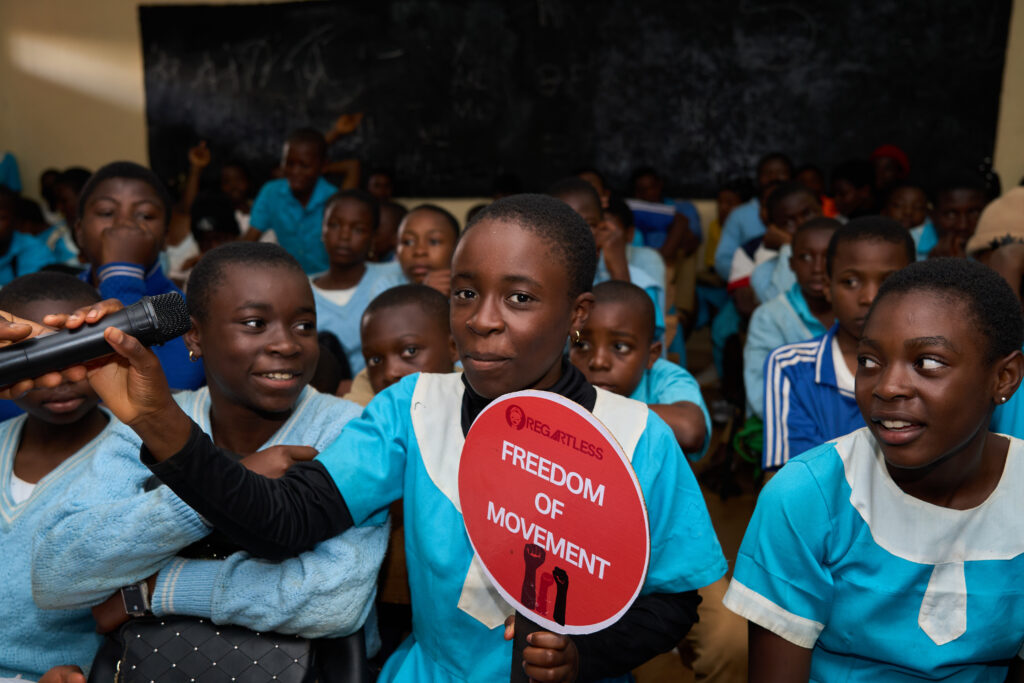
By combining film, dialogue, and education, the festival demonstrated the power of creative expression as a tool for learning about human rights. The screenings not only informed audiences about historical injustices but also encouraged critical thinking about contemporary forms of exploitation, discrimination, and exclusion that continue to affect communities around the world. Equally important, the festival empowered young people to see themselves not merely as observers of history, but as contributors to ongoing conversations about justice, equity, and social change.
The Human Rights Film Festival 2026 reaffirmed REGARTLESS’ commitment to using arts and culture to promote awareness, civic engagement, and social transformation. Through the theme The Unmorphing of Memory, the festival created a space where history could be examined honestly, difficult conversations could take place, and diverse voices—particularly those of young people—could help shape a more inclusive understanding of the past and its relevance today.

As the festival concluded, one message remained clear: remembering is not simply about looking backward. It is about understanding the connections between the past and the present, amplifying marginalized voices, and empowering a new generation to champion human rights, dignity, and justice. for all.